
MINFULNESS TECHNIQUES
Explore simple mindfulness practices to help calm the nervous system, reconnect with the present moment, and manage the emotional impact of pain. This guide introduces the Breathing Space, Self-Compassion Break, and Safe Place exercises.
TECHNIQUES
8/30/20262 min read
Breathing space exercise
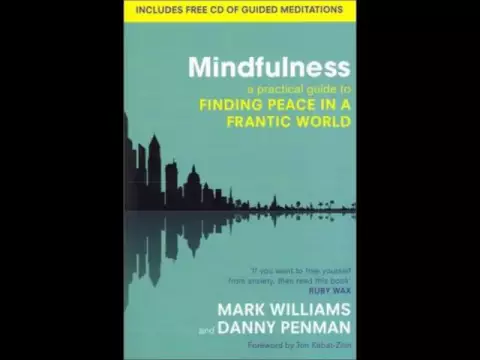
You can try the Breathing Space Meditation technique to find peace in a frantic world. This technique is based on mindfulness and can help you relax and focus on the present moment.
Here are the steps to follow:
Adopt your usual meditation posture (or stand if you prefer). Gently close your eyes.
Begin by noticing whatever is going on around you. Become aware of the space around you. Feel the ground beneath your feet. What’s going on in your mind and body right now? Briefly scan through your body and tune in to the most noticeable sensations. Don’t try to change anything, Simply feel the sensations.
Begin paying attention to the emotions flowing through your mind and body. Don’t try to change anything, pay attention to their intensity and notice how they rise and fall. What thoughts are around? Don’t try to change anything. Simply observe them. Remember that thoughts are not facts.
Shift your awareness to your breath. Follow it all the way in and all the way out for thirty seconds or so. Each time your mind wanders, gently escort your awareness back to your breath.
Begin to broaden your awareness to include your whole body. Feel your whole body breathing for thirty seconds or so. If there are any areas of tension or discomfort, imagine breathing into them with a sense of warmth and kindness.
Begin to progressively broaden your awareness to encompass the space around you.
Gently open your eyes.
Self compassion exercise
One of key guided meditations for patients struggling with acceptance and self blame is the Self-Compassion Break. It is a three-step process that involves acknowledging the suffering, recognising the common humanity, and offering kindness to oneself. The meditation encourages the listener to think of a mild or moderate problem, feel the discomfort in the body, and then use words and gestures to soothe and comfort oneself. The video also suggests imagining what one would say to a friend who has the same problem, and then saying the same words to oneself .

The safe place exercise
The Safe Place Meditation is a mindfulness exercise that helps you create a mental space that evokes feelings of calmness, contentment, and safety. Safe place meditation can be a helpful technique for individuals experiencing chronic pain by fostering acceptance and managing the psychological and emotional aspects of their condition. It is particularly helpful for those who have experienced trauma or are feeling intense emotions. The exercise involves imagining a place that can give you the feeling of safeness and calmness, such as a spot in the woods, a beach, or a cozy armchair. You can then visualize your own safe place with all the sensory details, such as the sights, sounds, smells, and textures. The video guides you through the meditation exercise and provides examples of possible safe places. It also encourages you to relax your body and face, feel joy and gratitude for your safe place, and know that you can return to it whenever you need.

Teresa Lewis (2016, July 6. The Safe Place Meditation: Compassion Focused Therapy (10 minutes) [Video file]. Youtube. https://www.youtube.com/watch?v=49DkTGVsSA8
C. Germer, Ph.D. (2019, March 12). Self-Compassion Break (short) (Audio Meditation) [Video file]. Youtube. https://www.youtube.com/watch?v=3Ax8Y741rxA
Teik Yen Ko (2016, August 3). Mindfulness Meditation 3 Minute Breathing Space [Video file]. Youtube. https://www.youtube.com/watch?v=rOne1P0TKL8
Physiosymposiums
Evidence-based clinical physiotherapy and active rehabilitation frameworks.
Clinical Inquiries
Andreacarino90.ac@gmail.com
Clinical consultations
© 2026 Physiosymposiums-Active physical therapy grounded in cognitive-behavioral research.
Self-efficacy - Movement - Independence